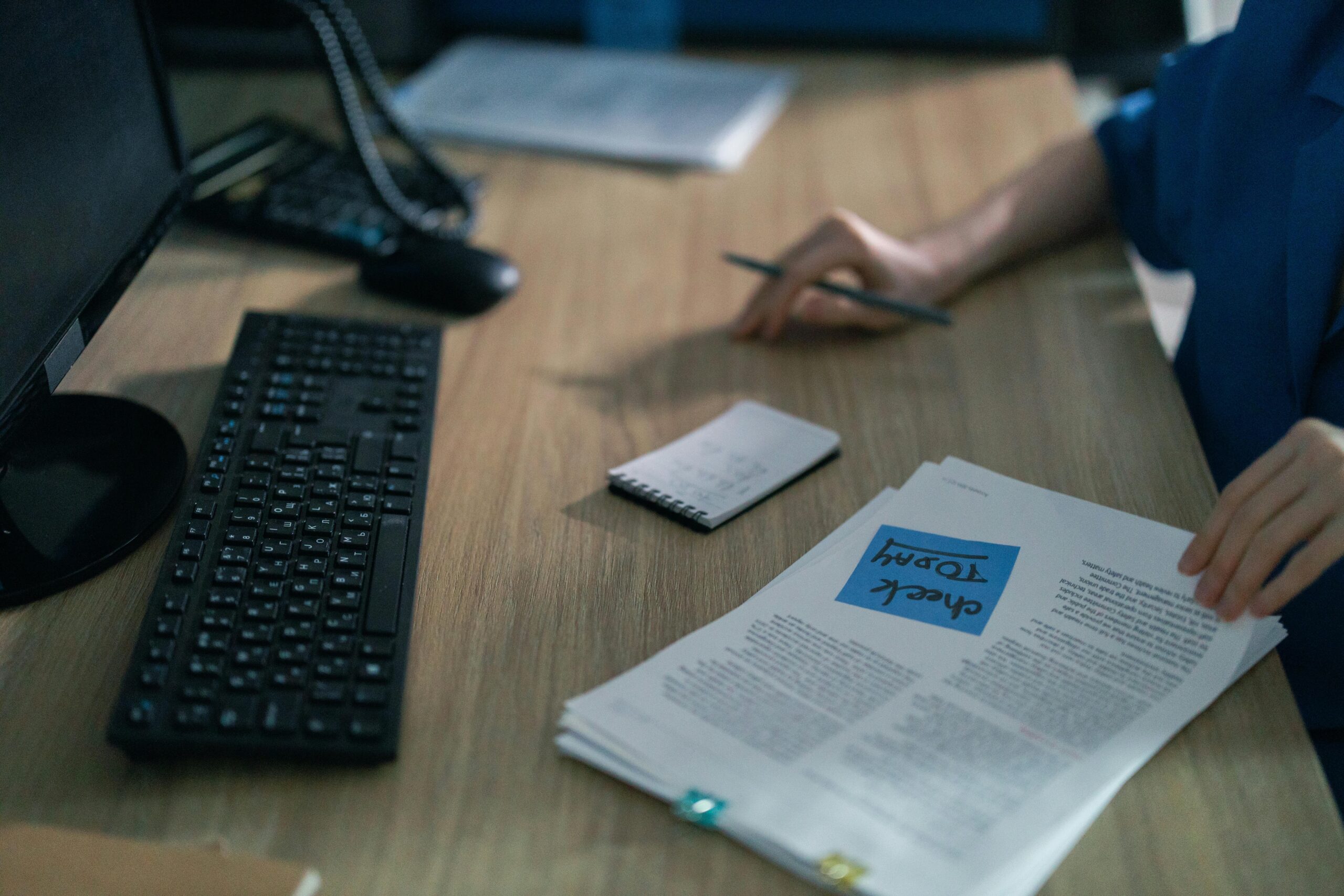
As a self-published author, I go through many phases before I publish a book. There’s the rough outline, the first draft, the second draft, letting my beta readers give feedback, another draft, and then a crucial step: hiring an editor. This is a step that, honestly, I cannot stress enough is absolutely necessary and incredibly important.
Writing in a Second Language
First things first: I am not a native English speaker. As someone who started writing stories in English during their teens, I have improved a lot thanks to my English professors and the internet. I’ve read a lot, written a lot, and eventually reached the point where I can write complete stories and articles in my second language.
However, I am still not a native speaker or writer, which means I’m more likely to make mistakes or miss typos. Whether it’s using the wrong spelling, incorrectly translating a Dutch word, or overlooking a typo that autocorrect doesn’t catch for me.
Why I Work With an Editor
That’s why I always work with an editor. When I wrote stories as a teenager, my Dutch teacher helped me with spelling and grammar. By the time I reached my late twenties, I no longer had access to teachers in the same way. Sure, nearly everyone I know speaks English as a second language, but none of us have studied or taught the language professionally.
Editing is a skill in itself, and one that also takes practice. Editing and proofreading another writer’s work is one thing, but editing your own? That’s a whole different challenge.
Finding the Right Editor
I’ve hired editors through Reedsy, where I can easily connect with professionals and make agreements regarding the editing process and payments. I want my book to be the best it can be, and sometimes you simply need an outsider’s perspective. Reedsy offers many different professionals, so it was easy for me to filter through the options and find someone who suited my needs.
In the end, though, it also comes down to finding someone you feel comfortable with and trust enough to hand over your baby to. Come on, it feels like handing your newborn over to a stranger.
The Vulnerability of Feedback
It’s a difficult and vulnerable process, and reading feedback and notes often makes me spiral for a few hours afterward. But this process, just like writing itself, takes practice to navigate. You may work with editors you end up not liking, editors who don’t support you, or editors who simply don’t understand your work.
No one is forcing you to change things you disagree with. However, keep in mind that there’s a difference between subjective opinion and objective feedback on grammar and spelling. Don’t skimp on those. You need them, even if you think you don’t.
A Tribute to My First Editor
Writing this post praising editors and highlighting their importance is not something I woke up feeling the urge to write about. The idea came to me on a random Monday when I went online and read that the editor of my first book had passed away.
I never met them in real life and only ever spoke to them through messages and emails. Still, the news hit me hard, especially knowing they passed away shortly after I published my book. Wondering whether they ever had the chance to read it leaves a heavy feeling in my stomach.
I wish I could tell them once more how valuable they were and how important their work is, even if I only fully realised it afterward.
To Writers and Editors
I cannot tell Tove Innis this anymore, but I can tell aspiring writers and editors that collaboration between the two is not something to skip. Treasure the moments you collaborate, and take your time finding someone who is the right fit for you.
This is for you, Tove. You helped me so much, even from afar.

May you rest in peace.
Leave a Reply